
The Dog Bed

Linen vs. Cotton: Understanding Core Fibers for Better Sleep

A careful, cared-for bed starts with the fabric that touches it. Linen and cotton are not merely materials; they are daily rituals, weather patterns, and mood-setters. In this feature, we explore how these two stalwarts behave in real life—from breathability and softness to durability and care—so you can choose the sheet set that best suits your climate, sleep habits, and aesthetic sensibilities.

Linen: the breath of a well-made bed

Linen, harvested from the flax plant, has long been prized for its coolness and moisture-wicking properties. It carries a texture that invites touch and a drape that feels both relaxed and structured. In linen, every weave is an invitation to slow down: a summer night that remains breathable, even as the room cools and the night grows deeper. Linen sheets, such as Organic Relaxed Linen Sheet Sets, arrive with a lived-in softness that only improves with use. They are not simply bedding; they are a technology of comfort, rooted in ancient fiber chemistry and modern textile finishing.

From a care perspective, linen rewards a gentle approach: cool cycles, a light touch of plant-based softeners, and patience as the fibers loosen their stiffness. The payoff is durability: linen tends to soften with every wash, while maintaining a robust structure that resists pilling and fraying. In warmer climates, linen is especially appealing for its natural temperature regulation. The flax fibers godspeed through air, inviting a sleeping posture that is unhurried and serene.

For readers who favor a minimal, texture-forward aesthetic, linen offers a tactile centerpiece that blends seamlessly with neutral palettes and natural light. It is clothing for the bed as well as a textile for the room’s mood. The Organic Relaxed Linen Fitted Sheet, for example, demonstrates linen’s practical elegance: a 15-inch deep pocket, full elastic, and cuffs with pick stitching, all designed for secure fit and quiet luxury.

Cotton: the versatile warmth and hotel-like crispness

Cotton, with its many faces, offers a spectrum from crisp percale to smooth sateen. The percale weave—one over, one under—produces a cool, airy hand that feels like a restrained whisper against the skin. Sateen, by contrast, tends to be softer, with a subtle sheen and a duvet-like embrace. The Sleep and Beyond Organic Cotton Percale Sheet Sets and the Sleep and Beyond Organic Cotton Sateen Sheet Sets epitomize cotton’s dual personality: both the hotel crispness that evokes hotel-room assurance and the homey warmth that welcomes daily life.

In the context of care, cotton is forgiving and flexible. It tolerates routine machine washing and a tumble through the dryer, while improving with repeated laundering. The 300-thread-count GOTS-certified organic cotton percale sheets balance breathability with a clean, hotel-inspired aesthetic, offering a crispness that remains comfortable through the night. The sateen counterparts deliver a smoother, more luxurious hand that softens over time, aligning with a cozy, intimate sleep experience.

For readers who crave a bright, modern bedroom—or who live in climates with variable humidity—cotton provides a dependable, familiar baseline. The Gramercy Flat Sheet or the Lineare Sateen Sheet Set illustrate cotton’s range: a spectrum from crisp and cool to soft and glowingly smooth, with the promise of colorfastness and enduring comfort.

A practical guide to choosing between linen and cotton

Selecting between linen and cotton is less an argument and more a negotiation with climate, routine, and taste. Here are practical distinctions to guide your decision.

  • Linen’s hollow flax fibers promote excellent air circulation, making it a perennial favorite for hot sleepers. Cotton, particularly in percale, offers strong breathability but can feel warmer than linen in high humidity settings.
  • Linen has a distinctive, textured hand that softens with every wash. Cotton’s softness depends on weave and fiber length; long-staple cottons (like those used in sateen and high-thread-count percale) tend to feel smoother sooner.
  • Linen’s durability comes from robust fibers; expect a longer path to a smoother hand, but with years of wear, it stabilizes beautifully. Cotton can endure frequent washing with potentially less upfront texture, especially in finer weaves and higher thread counts.
  • Linen is arguably more climate-responsive, offering warmth in winter when layered, yet staying breathable in summer. Cotton is versatile across climates, and its performance is heavily influenced by weave (percale for crisp coolness; sateen for warmth and a gentle drape).
  • Linen’s natural, matte texture carries a calm, almost architectural vibe. Cotton offers more tonal versatility across finishes—matte percale or lustrous sateen—depending on the brand’s finishing process.

What the history says about textiles and sleep

The fibers that drape our beds are connected to centuries of craft and commerce. Linen’s ancestry runs through ancient civilizations that prized flax for its resilience in damp climates and its ability to wick moisture without feeling clammy. Cotton’s rise as a global textile giant traces a path through colonial trade networks, industrial spinning, and the democratization of comfort. The modern sheet market, with its GOTS certification, hotel-grade percale, and luxury European weaves, is an intersection of tradition and technology, ethics and aesthetics.

For enthusiasts of textile history, the “Linen 101” and “Cotton 101” explorations offer a narrative thread—how fiber processing, weaving, and finishing shape our nightly habits. The goal is not to romanticize production but to illuminate how these fibers respond to our bodies and environments, shaping the poetry of sleep in everyday life.

Care and longevity: preserving fibers for the long arc of sleep

Beyond the initial choice, care determines longevity. Linen benefits from a gentle washing cycle and a softener that respects the fabric’s natural character. Cotton thrives on regular laundering, with attention to water temperature and the avoidance of harsh chemicals that can degrade fiber length over time. With products such as the Organic Linen Sheet Sets and the Organic Cotton Percale and Sateen Sets, readers have the tools to extend their sleep investments.

The broader lesson is a respect for material. Linen invites you to embrace texture as texture, to allow a certain roughness to become a signature of comfort. Cotton invites you to enjoy the precise geometry of a crisp sheet or the velvet-smooth glow of sateen. In either case, the result is a nightly ritual that supports restful, restorative sleep—an ongoing conversation between fabric and body.

A brief look at notable figures who shaped our understanding of fibers

From ancient spinners to modern textile scientists, three figures across time illuminate how our beds became the laboratories of comfort.

1) Hypatia of Alexandria (c. 355–415 CE) – The philosopher of fibers

While Hypatia is best known for philosophy and science, the ancient world valued linen as a standard bearing of civilization. Linen’s prominence in classical Egypt, Greece, and Rome, and its role in daily life and sacred rituals, echo Hypatia’s devotion to inquiry and clarity. Linen’s ease of care, its cooling touch, and its longevity symbolize an ancient optimism about material culture—one we still celebrate when we choose linen for a long, restful night.

2) Eli Whitney (1765–1825) – The engineer of consistency

Whitney’s refining of cotton processing altered the fabric of daily life. The industrial era’s drive toward consistent fiber quality and scalable, repeatable textile production resonates in our modern gaze toward percale and sateen—finishes that promise uniformity, colorfastness, and a reliable sleep environment. Cotton’s ascent into premium bed linens owes a debt to the industrial logic Whitney helped catalyze, even as we continue to debate the ethics and sustainability of such systems.

3) Jane Goodall (b. 1934) – A modern advocate for responsible textiles

In contemporary textile discourse, Goodall’s emphasis on conservation and ethical sourcing resonates with the current insistence on organic fibers and certifications. The emergence of GOTS-certified linen and cotton lines reflects a cultural shift toward transparency and stewardship. Readers who care about the planet’s future can connect their nightly rituals with global responsibility—choosing fibers and processes that honor people, communities, and ecosystems.

A product-in-context moment

From the catalog of finely crafted linens, one item stands as a parable for our topic: The Organic Relaxed Linen Fitted Sheet. It embodies linen’s temperament—cool, breathable, and quietly luxurious. Its 15-inch pocket size speaks to modern mattress depths, while its full-elastic stretch preserves a neat, uninterrupted surface for nighttime repose. The sheet is a practical manifesto: comfort achieved through material discipline, not marketing flourish.

Product highlight: Organic Relaxed Linen Fitted Sheet

100% organic flax grown in France, linen woven in Portugal. 15" deep pocket; full elastic; pick-stitched cuffs. Care: machine wash cold; tumble dry low; warm iron if desired. Certificados: GOTS.

Related context: Organic Cotton Percale Sheet Sets

GOTS-certified, long-staple cotton, percale weave, crisp hand, cool feel. Ideal for warm sleepers who value a hotel-like crispness in a home environment.

The juxtaposition of linen and cotton in our beds is a reminder that comfort is not a single recipe but a spectrum. We drift between fibers the way a room drifts between light and shade—subtle, continuous, and deeply personal. The science of sleep remains the quiet partner to this textile economy: thread counts, fiber lengths, and weave structures are not mere numbers; they are the weather of our nights, shaping the weather within our bedrooms.

Conclusion: a practical, informed choice for better sleep

Linen and cotton each offer virtues that align with different sleep personalities and environments. If you live in a hot climate or crave a tangible sense of texture and durability, linen—especially the Organic Relaxed Linen Sheet Sets—delivers a cooling confidence and a warmth that grows with time. If you want a familiar, versatile option with a spectrum of feels—from crisp percale to indulgent sateen—cotton sets provide reliable structure and a crisp night’s sleep, with the potential for a softer touch as you continue to wash and wear them.

The key is to recognize which fiber profile best matches your climate, sleep posture, and care rhythm. Our bedding choices are, in a sense, portraits of our daily rituals—framed by the fibers we select and the care we extend. And in the High-Performance world of textiles, the enduring truth remains: comfort is an honest negotiation between fabric and body, a conversation that plays out on every nightstand, every sheet set, and every quiet night of sleep.

References to real-world products in this piece

To illustrate the discussion with tangible options, the article references select items from FineBedLinens’ ecosystem, including:

  • The Dog Bed (Casper) — a reminder that textile comfort principles cross borders into animal comfort, with a memory-foam core and washable cover for practicality.
  • Organic Relaxed Linen Fitted Sheet (Coyuchi) — a concrete example of 100% organic flax linen, with a 15" deep pocket and full elastic.
  • Sleep and Beyond Organic Cotton Percale Sheet Set — an illustration of a crisp percale weave in an ethically certified cotton.
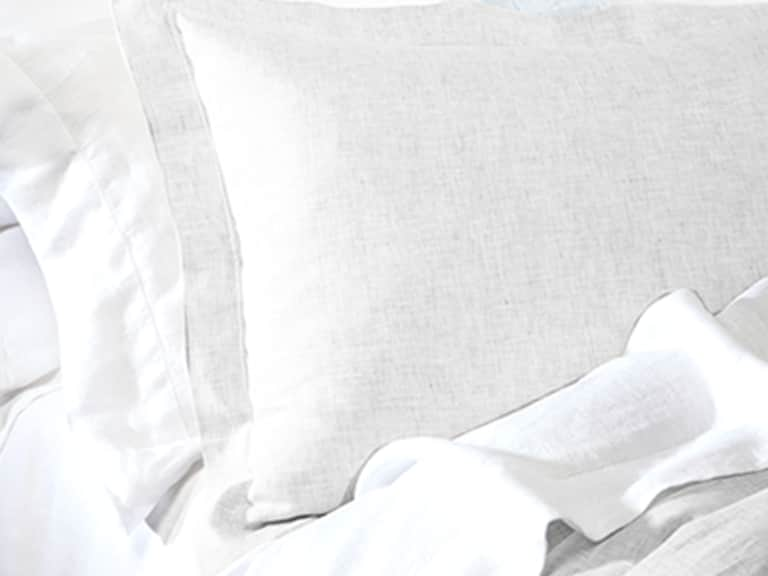
  • DownTown Company Layla Linen Pillowcases — a linen accessory that completes the linen-head-to-toe ensemble with breathable, tactile finesse.

Final note

As with any informed choice in a consumer landscape buzzing with options, the goal here is clarity rather than hype. Linen and cotton each offer a language of sleep—the language of breath, touch, and the quiet architecture of a good night. Choose the fiber that speaks most clearly to your climate, your rhythms, and your preferences. And let your sheets, in their quiet dignity, do the rest: regulate, soften, and cradle you into the restorative threshold where the day’s anxieties dissolve into the soft, steady cadence of sleep.


Related Products

The Dog Bed

Casper

The Dog Bed

Designed around how dogs lounge, this memory-foam bed cushions joints with supportive bolsters and a durable, washable cover for easy cleaning, keeping naps comfy and the bed fresh for everyday use.
Organic Relaxed Linen Fitted Sheet

Coyuchi

Organic Relaxed Linen Fitted Sheet

Sleep cooler and calmer with 100% organic flax linen—French-grown, Portuguese-woven for natural breathability and durability. 15" deep pocket with full elastic stays put all night; pick-stitched cuffs add quiet elegance. Easy care, plant-based softness.
DownTown Company Layla Linen Pillowcases

DownTown Company · No. DT Layla PC

DownTown Company Layla Linen Pillowcases

Experience cool, breathable comfort with Layla Linen Pillowcases. Softens over time, washable for easy care, and stays naturally cool for warm nights. Elegant, relaxed texture in standard/queen or king—pair effortlessly with your sheet set for a timeless bed.

Theme